
Guide
Griddle Seasoning & Cleaning
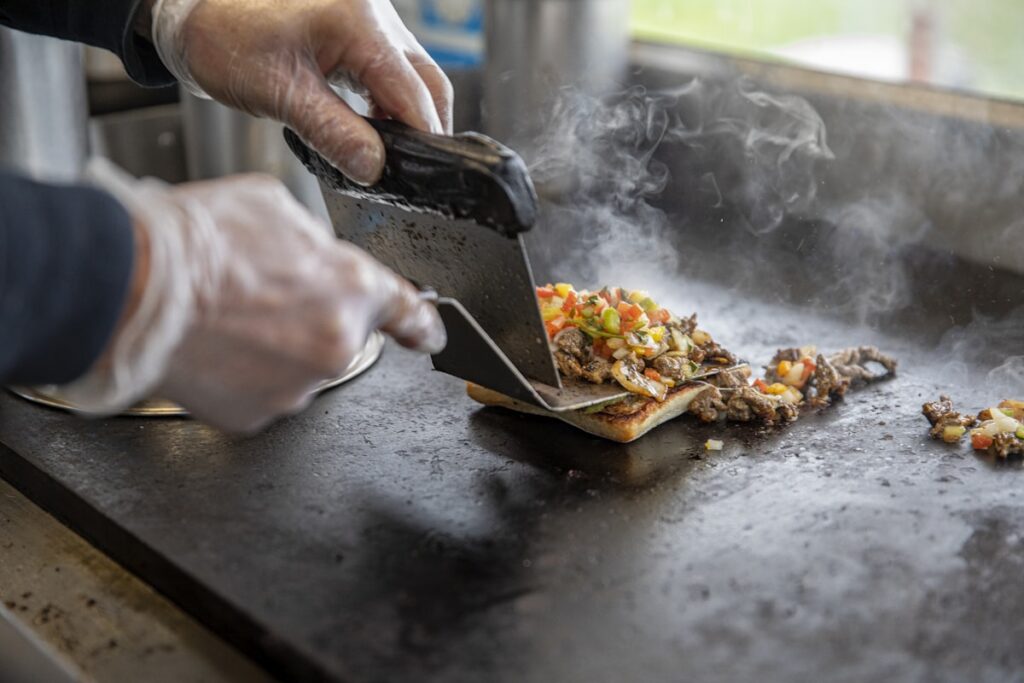
A griddle (flat-top) is only as good as its surface. A well-seasoned steel plate cooks with a natural non-stick release, develops flavour, and resists rust; a neglected one sticks, tastes of yesterday’s service, and corrodes — which in Singapore’s humidity happens fast. The good news is that seasoning and cleaning a griddle is a simple, repeatable routine. Here’s how to build and protect that surface, and keep it cooking well for years.
Why seasoning matters
Seasoning is a thin layer of polymerised oil bonded to the steel. Heat oil on bare steel and it breaks down and bonds to the metal, building up over repeated applications into a hard, dark, slick surface. That layer is what gives a steel griddle its release, what stops food sticking and tearing, and what seals the porous steel against the moisture that causes rust. It also carries flavour into the food — part of why a seasoned flat-top tastes better than a brand-new one.
Note that this only applies to steel griddles. Chrome-topped griddles have a polished, plated surface that is not seasoned at all and is cared for completely differently — covered below.
Seasoning a steel griddle
Build the layer gradually. The principle is thin oil plus heat, repeated — thick oil just goes gummy and sticky. The basic routine:
- Clean the bare plate first, removing any factory coating or residue per the manufacturer’s instructions.
- Heat the griddle to a moderate-to-high temperature so oil will polymerise.
- Apply a very thin film of high-smoke-point oil across the surface and spread it almost dry with a cloth or pad.
- Let it heat until it smokes and darkens, then stops smoking — that’s a layer set.
- Repeat several times, building thin layer on thin layer until the surface is dark and slick.
The plate darkens from silver toward deep brown-black as the seasoning builds. Don’t rush it with thick coats; patience here pays off in a durable, even surface.
Daily cleaning without stripping the seasoning
The goal of daily cleaning is a clean cooking surface that keeps its seasoning intact. Between items and through service, scrape food debris off with a griddle scraper while the plate is hot, and wipe down — a splash of water or a steam from a little liquid helps lift residue, then scrape it to the grease trough. Keep the surface working clean without harsh scrubbing.
At end of day, give it a deeper clean: scrape thoroughly, clean off cooked-on residue, then wipe and apply a light film of oil to protect the surface overnight. That final oiling is essential in our climate — it seals the steel against humidity until the next service. A griddle stone or screen can tackle stubborn carbon build-up, used gently so you take off the gunk, not the seasoning.
Chrome griddles need different care
Chrome-topped griddles are easy-clean and energy-efficient, but you must never treat them like steel. Don’t season them, and never attack them with metal scrapers, abrasive pads, griddle stones or harsh chemicals — these scratch and ruin the plating, which can’t be rebuilt the way seasoning can. Clean chrome with the gentle methods and products the manufacturer specifies, typically a soft scraper or cloth and mild cleaning, wiping the surface clean without abrasion. Match your routine to your plate type; the two surfaces are maintained in opposite ways.
What damages a griddle (and how to avoid it)
Most griddle damage is self-inflicted. Steer clear of these:
- Harsh chemicals on steel: degreasers and caustic cleaners strip seasoning back to bare metal. Use them only when you intend to re-season.
- Thermal shock: flooding a screaming-hot plate with cold water can warp the steel. Let it cool somewhat, or use water sparingly.
- Wrong tools: metal abrasives on chrome, or aggressive grinding on steel, do lasting harm.
- Leaving steel bare and wet: in Singapore’s humidity, an un-oiled steel plate rusts overnight. Always finish with a protective oil film.
Maintenance routine and rust recovery
Build cleaning into your service rhythm: scrape and wipe between items, deep-clean and oil at close, and check the surface daily for dull or sticky patches that signal it’s time to spot-season. If rust does appear on a steel plate — common after a humid weekend off — scrub the affected area back, clean it, and re-season those spots before they spread. A griddle treated this way stays flat, non-stick and rust-free for years; one left to fend for itself in our climate degrades quickly.
Choosing between chrome and steel, or adding a flat-top to your line? See our griddle guide for how the surfaces differ in use, or request a quote for griddles and flat-tops.
FAQ
Chrome or steel griddle? Chrome is easy to clean and energy-efficient with no seasoning needed; steel builds a seasoned, flavourful non-stick surface but demands the seasoning-and-oiling routine. Choose by your menu and how much maintenance you’ll commit to — see our griddle guide.
How often should I season a steel griddle? Initially several passes to build the base layer, then spot-season whenever the surface looks dull, sticky or has been stripped. A light protective oiling after each day’s clean maintains it between full seasonings.
Can I use soap on my griddle? Avoid harsh detergents and degreasers on a seasoned steel plate — they strip the seasoning. Use scraping, hot water and a griddle stone for daily cleaning. Chrome plates follow the manufacturer’s gentle cleaning method instead.
My steel griddle keeps rusting — why? Singapore’s humidity attacks bare steel fast. The fix is always finishing service with a thin film of oil to seal the surface, and re-seasoning any spots that do rust before they spread.