
Guide
The Ultimate BBQ Pulled Pork Sandwich
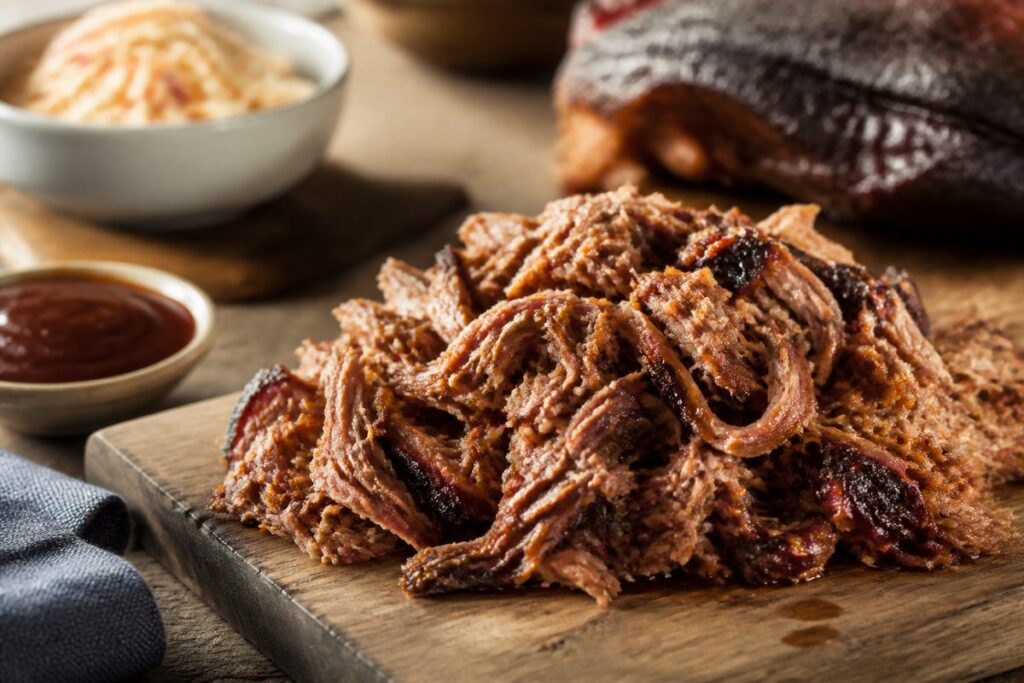
A great pulled pork sandwich is one of barbecue’s simplest pleasures and easiest wins — smoky, tender meat, a sauce that brings tang and gloss, crunchy slaw for contrast, all stacked on a soft bun. But “simple” doesn’t mean careless: the difference between a good sandwich and a memorable one comes down to balance. Here’s how to build the ultimate version, from the pork right through to the final stack.
Start with great pulled pork
Everything rests on the meat. Pulled pork is made from a well-marbled, collagen-rich cut — typically pork shoulder (Boston butt) — smoked low and slow until the connective tissue breaks down and it shreds with gentle pressure. That long, gentle cook is what turns a tough working muscle into soft, juicy strands. If you don’t yet have your method dialled in, follow our full pulled pork guide for rub, wood, temperature and timing.
Cook to tenderness, not the clock. Pork shoulder is forgiving but it must be taken far enough — pull it when it probes soft throughout and the bone wiggles free, commonly around 90–96°C internal, though feel is the real test. Rest it before pulling so the juices redistribute, then shred and mix the moist interior with the bark for a blend of soft meat and chewy, flavourful crust in every bite. Keep some of the rendered juices to moisten the pulled meat.
Sauce: dress it, don’t drown it
Sauce should season and gloss the pork, not bury it. Toss the warm pulled meat with just enough sauce to coat — you want the strands shining, not swimming. The style is yours to choose: a thick, sweet tomato-and-molasses sauce in the Kansas City mould coats richly; a thin, peppery vinegar sauce in the Carolina tradition cuts the fattiness and keeps things lively; a tangy mustard sauce splits the difference. For a pork sandwich, a vinegar-forward sauce is a classic for good reason — its acidity stops the whole thing feeling heavy.
A useful trick: lightly sauce the meat for moisture, then offer a little extra sauce on the side or drizzled at the build, so the bread doesn’t get overwhelmed. Warm sauce clings better than cold.
Slaw: the crunch and the cut
Slaw isn’t a garnish on a pulled pork sandwich — it’s structural. It does two jobs: it adds crunch against the soft meat and bun, and its acidity and freshness cut through the rich pork. A crisp cabbage-and-carrot slaw works beautifully; a vinegar-dressed slaw keeps the sandwich bright, while a creamy mayo-based slaw adds richness and a cooling note. Either works, so long as it’s freshly crunchy and not watery.
Dress the slaw shortly before serving so it stays crisp, and don’t over-dress it — limp, soggy slaw drags the sandwich down. A little sharpness in the slaw is what balances the sweetness of the sauce.
The bun and the build
Use a soft, sturdy bun — a brioche or a classic soft burger bun — that’s tender to bite but strong enough to hold juicy meat without disintegrating. Lightly toasting the cut faces helps: it adds a little texture and, crucially, forms a barrier so the bun doesn’t turn to mush. Then build for balance:
- Toast the bun faces lightly.
- Pile a generous mound of saucy pulled pork on the base — mix of moist meat and bark.
- Add a drizzle of extra sauce if you like it saucier.
- Top with a good handful of crunchy slaw.
- Optional: a few pickles or sliced chillies for extra bite.
- Cap with the lid, press gently, and serve straight away while warm.
The goal is a sandwich where every bite has smoky meat, tangy sauce and cool crunch together — not separate layers you eat one at a time.
Getting the quantities right
Pork shoulder loses a fair amount of weight during a long smoke as fat and moisture render out, so always start with more raw meat than you think you need. As a rough guide, plan for a healthy portion of cooked, pulled pork per sandwich and buy raw weight well above that to cover the cook loss. Our meat calculator helps you scale up the raw quantity for the number of guests you’re feeding, so you don’t run short at a party.
Common mistakes
- Under-cooked pork. If it shreds with effort or feels stringy and tough, it wasn’t taken far enough. It needs to probe soft throughout.
- Dry meat. Pulling without reserving juices, or letting it sit uncovered, dries it out. Mix in rendered juices and keep it covered and warm.
- Drowning it in sauce. Too much sauce makes it soggy and one-note. Coat lightly, serve extra on the side.
- Soggy slaw or bun. Dress slaw just before serving and toast the bun. Both keep the sandwich’s texture intact.
- Skipping the rest. Resting before pulling keeps the meat juicy.
Equipment
Pulled pork is one of the most beginner-friendly low-and-slow cooks, and it works on any smoker that holds a steady low temperature — kamado, pellet, offset or bullet. Browse our range of smokers to find one that suits your space, and time your cook with our smoking time estimator.
FAQ
Should I cook to temperature or time? Cook to temperature and feel, not the clock. Pull the pork when it probes soft throughout — often around 90–96°C internal — and rest before shredding. Use a probe and our smoking time estimator to plan, not to judge doneness.
What cut should I use? Pork shoulder (Boston butt) is the classic — its marbling and connective tissue break down over a long cook into tender, juicy strands.
Vinegar or sweet sauce? Both work. A thin vinegar sauce cuts the richness and keeps the sandwich bright; a thick sweet sauce coats more richly. For pork, many cooks favour a vinegar-forward sauce for balance.
How much pork per person? Allow a generous portion of cooked meat per sandwich, and buy raw weight well above that since pork shoulder loses significant weight during smoking. The meat calculator helps you scale for your guest count.