
Guide
Pre-Rinse & Pot Wash Station Guide
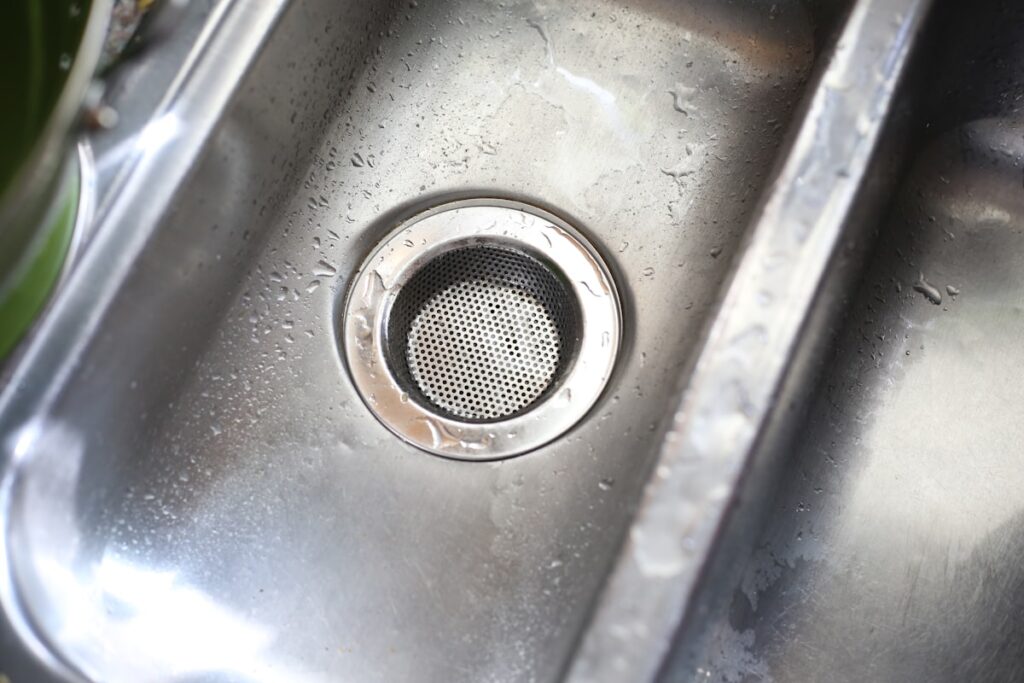
The wash-up area is where a busy kitchen either flows or grinds to a halt. A well-designed pre-rinse and pot wash station clears soiled ware fast, protects your dishwasher, and keeps the whole operation hygienic. Get it wrong and you get backed-up dishes, a struggling machine, and a wet, cluttered corner that fails inspection. Here is how to set one up properly for a Singapore commercial kitchen.
The pre-rinse spray
A pre-rinse unit is a tall, flexible spray tap mounted over a sink or scrap trough. Its high-pressure spray blasts food debris off plates, trays, and pans before they go into the dishwasher. This single step does more for wash quality than almost anything else: it removes the bulk of the soil so the machine only has to sanitise, not chew through stuck-on food. The result is cleaner ware in fewer cycles and far less re-washing.
Crucially, pre-rinsing protects the dishwasher itself. Food solids that reach the machine clog filters, jets, and pumps, shorten its life, and force more frequent breakdowns. The pre-rinse is the cheap front line that keeps your expensive warewasher healthy.
Pot wash sinks
Dishwashers handle plates and glasses, but large cookware needs hand washing at a dedicated pot sink. Multi-bowl sinks — typically a two- or three-compartment setup — give you the space to wash, rinse, and sanitise big stockpots, trays, and pans in sequence. Deep bowls matter here: they need to submerge bulky cookware without sloshing water everywhere. A three-compartment sink supports the classic wash-rinse-sanitise routine that hygiene practice expects for items that don’t go through the machine.
Pair the pot sink with the pre-rinse spray and adequate draining boards on both the soiled and clean sides, so there’s somewhere for items to land before and after washing.
Layout: dirty to clean flow
The golden rule of a wash-up area is a one-way flow from dirty to clean, with no crossover. Soiled ware comes in at one end, gets scraped and pre-rinsed, passes through the dishwasher or pot sink, and exits clean at the other end. This prevents dirty and clean items from mixing — a contamination risk and an inspection failure — and it keeps the staff working in one logical direction rather than crossing back over themselves.
Plan the sequence as: scrap/sort, pre-rinse, wash (machine or sink), then clean landing and storage. Keep the clean exit well away from the soiled intake, and give each stage enough bench and rack space that ware doesn’t pile up and force shortcuts.
Sizing and capacity
Size the station to your peak service, not your average. Count your busiest turnover and make sure the pre-rinse, machine, and pot sink can clear ware fast enough to keep clean plates flowing back to the line. Under-sizing the wash-up is a common and costly mistake — it bottlenecks the entire kitchen. Allow generous landing space on both sides of the machine, deep enough pot sinks for your largest cookware, and enough racks to keep dirties off the floor and cleans drying without re-handling.
Singapore considerations
A commercial wash-up area has real infrastructure requirements. You’ll need adequate hot water supply for effective washing and sanitising, correct drainage, and a grease trap to intercept fats before they enter the public sewer — a standard requirement for F&B premises here. Plan the plumbing, drainage falls, and grease trap access into the layout from the start; retrofitting them is expensive. Commercial dishwashers may need specific power — confirm whether your machine is single- or 3-phase. And follow SFA hygiene requirements throughout: proper sanitising, separation of clean and dirty, and surfaces that are easy to keep clean.
Stainless steel is the standard for sinks, tables, and splashbacks because it withstands constant water, heat, and sanitiser without corroding in our humid conditions.
Choosing the warewasher
The dishwasher you pair with the station should match your volume: undercounter machines suit cafes and small kitchens, while hood-type or conveyor machines handle higher throughput. Whatever the scale, the pre-rinse station in front of it is what lets it perform — even the best machine struggles if heavily soiled ware goes in unrinsed. Plan the machine and pre-rinse as a single system. See our warewashing range to match a machine to your covers, or request a quote for a full station spec.
Maintenance and running
Keep the station working by clearing the dishwasher filters, descaling regularly in our hard-working conditions, and servicing the grease trap on schedule so it never backs up. Train staff to scrape and pre-rinse properly — most wash quality problems and machine faults come from skipping that step under pressure. A tidy, well-drained station with clear dirty-to-clean discipline is faster, more hygienic, and cheaper to run over its life.
FAQ
Why pre-rinse? It protects the dishwasher from clogging food solids and improves wash results — the machine only has to sanitise, not break down stuck-on debris, so ware comes out cleaner in fewer cycles.
Do I still need a pot sink if I have a dishwasher? Yes. Large cookware and trays that don’t fit or shouldn’t go through the machine need hand washing at a multi-bowl pot sink, ideally a three-compartment one.
What’s the right layout? A one-way flow from dirty to clean — scrap, pre-rinse, wash, then clean landing — with no crossover between soiled and clean ware to avoid contamination.
What infrastructure does it need in Singapore? Adequate hot water, proper drainage, a grease trap as required for F&B premises, and the correct power for the dishwasher. Plan these in from the start.
How do I size it? To your peak service, not your average, with generous landing space both sides. Under-sizing the wash-up bottlenecks the whole kitchen.