
Guide
How to Light a Gas Grill Safely
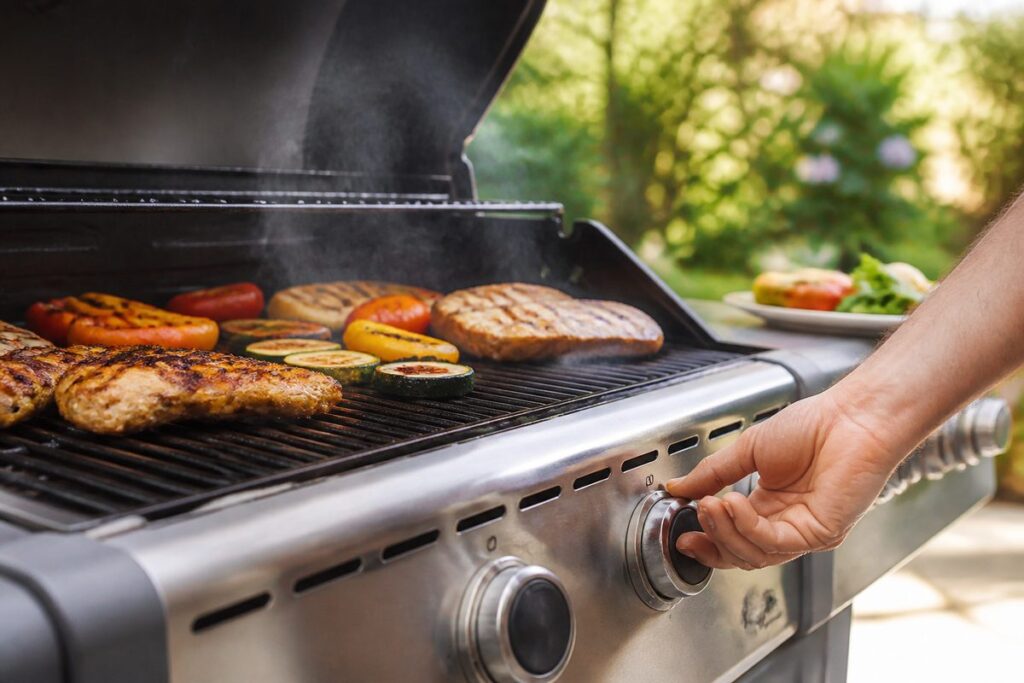
A gas grill is the most convenient way to cook outdoors — turn a knob, push the igniter, and you’re grilling in minutes. But gas demands respect. The same convenience that makes it easy makes it dangerous if you’re careless, because a build-up of unburnt gas under a closed lid can ignite all at once in a flashback that singes eyebrows or worse. The procedure for lighting safely is simple and takes seconds; the trick is doing it the same correct way every single time. Here’s the routine, plus the checks that keep your grill safe across a season of use.
Always open the lid first
This is the single most important rule. Open the lid before you turn on any gas and before you ignite. If you light a closed grill, gas pools in the enclosed space, and when it finally catches it goes up in a sudden whoomph that can throw flames out at your face. An open lid lets any gas disperse instead of collecting. Make it the first thing you do, every time, without exception — even on a quick reheat.
Gas on, then ignite promptly
With the lid open, turn on the gas at the cylinder or supply first, then turn on a single burner — usually the one nearest the igniter — and press the ignition straight away. Igniting promptly matters: the longer the gas flows before it lights, the more accumulates. You should hear the burner catch and see flame within a second or two.
Once one burner is lit, you can light the others from it by turning them on in sequence. Light burners in order across the grill so each one catches from its neighbour rather than flowing gas unlit. If you’re lighting by match because the igniter has failed, use a long match or lighter and bring the flame to the burner before turning on the gas, keeping your hand clear.
If it doesn’t light, stop and wait
If the burner doesn’t catch within a few seconds, turn off the gas immediately — both the burner and ideally the supply. Then wait. Give it at least five minutes with the lid open for the unburnt gas to clear and disperse before you try again. Trying to re-ignite straight away, with gas still pooled in the grill, is exactly how flashbacks happen. Patience here costs you a few minutes; impatience can cost you a trip to A&E. Once the gas has cleared, start the sequence again from the top.
Check for leaks before the season
Before your first cook of the season, or any time you reconnect a cylinder, test the connections for leaks. The classic method is the soapy-water test: brush a solution of dish soap and water onto the hose, connections and regulator with the gas turned on but the burners off. Growing bubbles mean gas is escaping — turn everything off, tighten or replace the faulty part, and re-test before lighting. Never hunt for a gas leak with a flame.
While you’re at it, inspect the hose for cracks, the burners for blockages from grease or insects, and the connections for a snug fit. A spider or wasp nesting in a burner tube over the off-season is a surprisingly common cause of poor ignition and dangerous gas build-up. For the full routine, see our gas grill safety guide.
Shutting down safely
Lighting safely is only half the job — shutting down matters too. When you’re finished, turn off the gas at the cylinder or supply first and let the burners keep running for a few seconds until the flames die. This burns off the gas left in the hose and burners, so there’s nothing under pressure sitting in the line. Then turn off the burner knobs. This order leaves the system depressurised and is the safest way to put the grill to bed.
Singapore considerations
Most home grills here run on LPG cylinders, so treat the cylinder with the same care as the grill. Store and use cylinders upright, in a ventilated outdoor space, never in an enclosed room or below ground level where heavier-than-air LPG can collect. Connect only approved hoses and regulators, and check that the cylinder is within its inspection date. On HDB and condo balconies, be aware of town-council and SCDF rules on gas storage and open flames, and keep the grill well clear of railings, walls and anything flammable. Our humidity also corrodes fittings over time, so inspect connections regularly. If you’re setting up a commercial gas cooking line, licensed installation and proper ventilation are mandatory — request a quote for compliant equipment.
Common mistakes
- Lighting with the lid closed. The number one cause of flashback. Lid open, always, first.
- Repeated re-ignition attempts. Turn off the gas and wait five minutes before retrying.
- Skipping the leak test. A cracked hose or loose fitting is invisible until it ignites. Soapy-water test before the season.
- Hunting leaks with a flame. Use soapy water, never a naked flame.
- Storing cylinders indoors. LPG must be kept upright and ventilated, never in an enclosed space.
FAQ
Grill won’t light? Turn off the gas — burner and supply — and wait at least five minutes with the lid open to let the gas clear, then try again. If it still won’t catch, check the igniter and look for blocked burner tubes.
Why open the lid first? To stop gas pooling in the enclosed grill. A closed-lid light can flash back violently when it finally catches.
How do I check for a gas leak? Brush soapy water on the connections and hose with the gas on and burners off; bubbles mean a leak. Never use a flame to find one.
What order do I shut it down? Turn off the gas at the cylinder first, let the burners burn out the remaining gas, then close the knobs. That leaves the line depressurised.
Browse our grills, or request a quote for gas cooking equipment.