
Guide
How to Choose a Blast Chiller for Your Kitchen
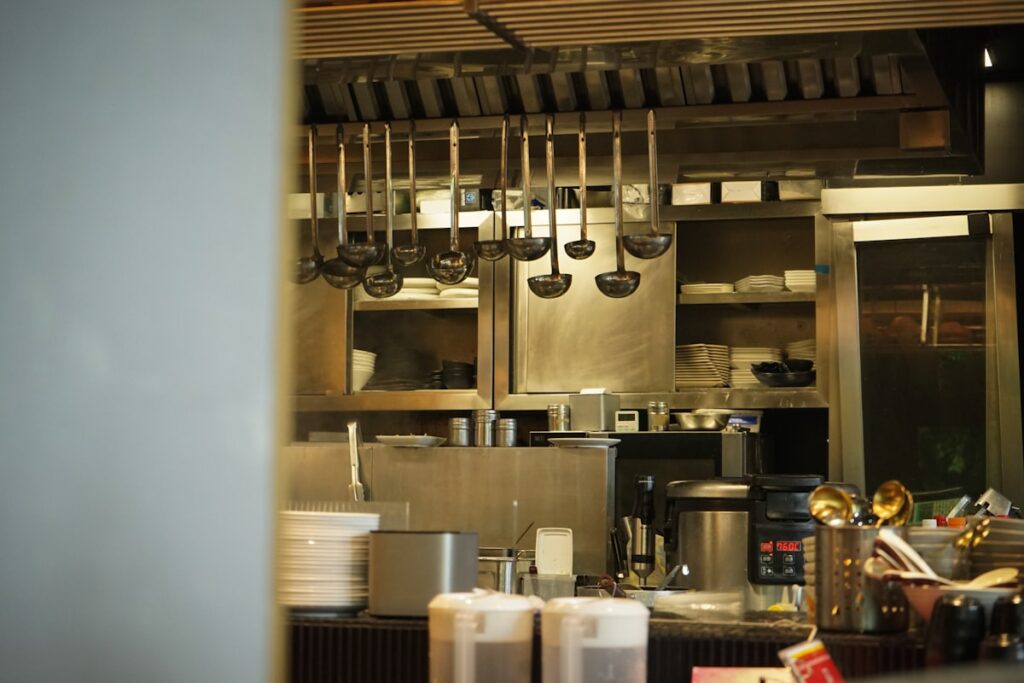
A blast chiller drops cooked food through the bacterial danger zone fast — locking in quality, extending shelf life, and keeping you compliant with safe cook-chill practice. For any Singapore kitchen doing batch production, catering or cook-ahead, it’s one of the highest-value pieces of equipment you can buy. But blast chillers vary widely in capacity, function and installation demands, and getting the choice wrong is expensive. Here’s how to choose one that matches how you actually cook.
What a blast chiller does
Ordinary refrigeration is designed to keep already-cold food cold; it can’t pull hot food down quickly. A blast chiller uses powerful refrigeration and high-velocity airflow to remove heat rapidly from the centre of the food, getting it through the temperature range where bacteria multiply fastest in the shortest possible time. That speed is the whole point: it minimises the window for bacterial growth and, by chilling fast, prevents the large ice crystals that wreck the texture of anything you go on to freeze.
Blast chilling vs shock freezing
Blast chilling takes hot food down to around +3°C in roughly 90 minutes; shock freezing continues down to about -18°C in around 240 minutes. Most kitchens want a combined chiller/freezer so they can do both from one machine, depending on whether food is for next-day service or longer storage. Decide which modes you genuinely need before you shop — a chill-only unit is cheaper, but if your model relies on freezing stock to manage waste, a combined unit earns its keep quickly.
Size by tray count and output
Blast chillers are rated two ways: by GN tray capacity and by kilograms of food chilled per cycle. Always check both, because they tell you different things. Tray count tells you how much fits physically; kg-per-cycle tells you how much the refrigeration can actually pull down in time. Match the per-cycle output to your single biggest cook — the largest batch you’ll ever load at once. Undersizing is the classic mistake: if the machine can’t handle the load, food sits warm waiting its turn, which defeats the entire purpose and leaves you non-compliant. Size up to your peak, not your average.
Probes, cycles and compliance
A core-temperature probe with data logging is essential. It lets the machine end the cycle on temperature rather than guessing on time, and the log proves to an SFA inspector or your HACCP records that food was chilled correctly. Look for multiple cycle types: a soft-chill cycle for delicate items that would otherwise surface-freeze or crust, and a hard-chill cycle for dense loads like large joints or full trays. Built-in sanitising or UV options and easy-clean interiors are worth having in a tropical climate where hygiene margins are tighter.
Installation in a Singapore kitchen
Blast chillers reject a great deal of heat as they work, and in our climate that matters more than most buyers expect. Plan ventilation and maintain the manufacturer’s clearances so the condenser can breathe — a unit choked in a hot, enclosed corner will struggle and short-cycle. For hot kitchens or where space is tight, consider a remote condensing unit that sends the heat outside the room entirely. Confirm the power supply early: larger machines need 3-phase, and you’ll want that provisioned before delivery, not discovered on install day. Factor in delivery access and floor loading for heavier units too.
Running costs and maintenance
A blast chiller is a hard-working refrigeration unit, so condenser cleaning is the single most important maintenance task — a coil clogged with grease and dust makes the compressor labour and drives up power use, especially in our heat. Keep door gaskets sealing well, clean the interior and probe after every use, and schedule regular technician servicing. Choose a model with good local parts and service support so a breakdown doesn’t take days to resolve. Run efficiently, a right-sized chiller pays back through reduced food waste, longer shelf life and the ability to produce ahead of service.
Match it to how you work
Beyond the headline specs, choose a chiller that fits your kitchen’s rhythm. A countertop or undercounter model suits a small kitchen doing modest batches, while a reach-in or roll-in unit makes sense for high-volume catering, banqueting or central production where whole trolleys of food go in at once. Think about loading height and access for your staff, the GN format your trays and other equipment already use so everything is interchangeable, and how the chiller sits within your cook-chill workflow from oven to storage. A blast chiller that matches your batch sizes, your tray standard and your physical space will be used properly; one that doesn’t tends to sit half-idle while staff work around it.
FAQ
Do I need a blast chiller for cook-chill? Yes. Safe cook-chill production depends on rapid chilling through the danger zone — a walk-in fridge simply can’t do it fast enough, legally or practically.
Chill-only or combined chiller/freezer? Choose chill-only if you serve within a day or two; choose combined if your model relies on freezing batches for longer storage and waste control. Combined units cost more but add flexibility.
How do I size one? Match the kg-per-cycle output and GN tray capacity to your largest single cook, not your average. Sizing to peak load prevents food sitting warm in a queue.
What power supply does it need? Smaller units may run single-phase, but larger machines typically need 3-phase. Confirm the requirement and provision the supply before installation.
See our blast chillers or request a quote sized to your output.