
Guide
Commercial Steam Oven Buying Guide (Singapore)
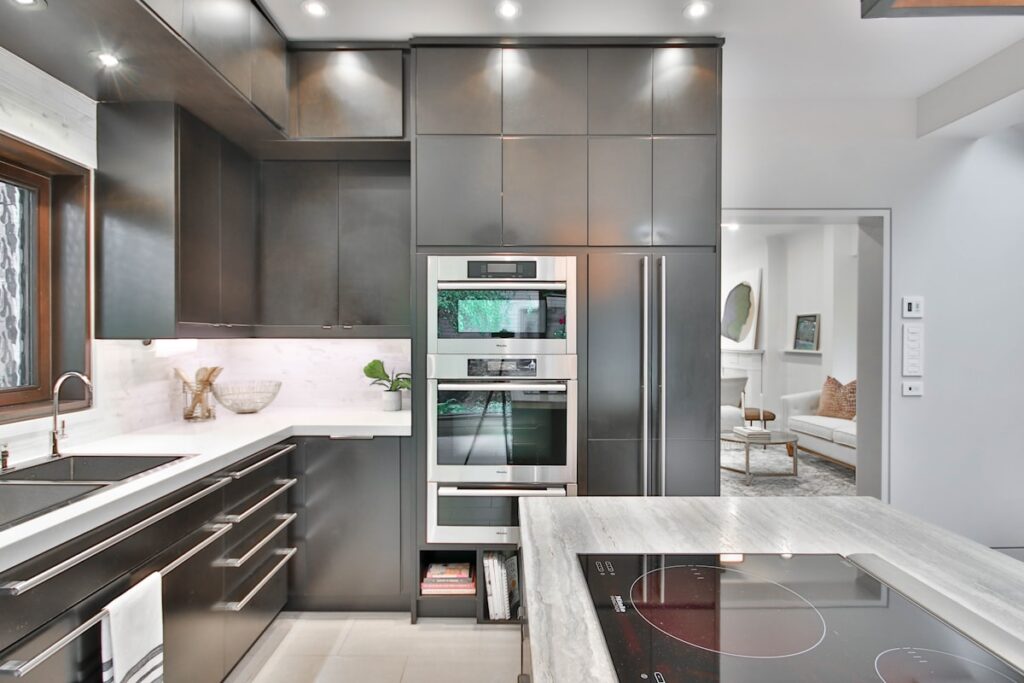
A dedicated steam oven excels at gentle, moist cooking — vegetables that keep their colour, seafood that stays tender, dim sum and bao steamed to order, and the regeneration of plated food without drying it out. For Singapore kitchens that steam in volume, a purpose-built steam oven is more efficient and more economical than improvising or tying up a combi oven. This guide covers the types, sizing, local install considerations and running costs so you can choose the right unit.
What a steam oven does well
Steam cooks food in a saturated, moisture-rich environment, which cooks gently, preserves texture, colour and nutrients, and prevents the drying and shrinkage that dry heat causes. That makes it ideal for vegetables, fish and shellfish, eggs, dumplings, bao, custards and reheating without moisture loss. Because steam transfers heat efficiently and evenly, it also cooks delicate items consistently across a full load — a real advantage for volume dim sum, banquet vegetables or batch reheating in a catering operation.
Pressureless versus pressurised
The fundamental choice is between pressureless and pressurised steamers. Pressureless (atmospheric) steamers cook at normal pressure, which means you can open the door and load or unload trays mid-cycle without waiting for pressure to release. That flexibility suits à la carte and continuous service where items go in and come out constantly, and it is the more versatile choice for most kitchens.
Pressurised steamers cook faster because raised pressure lifts the steam temperature, but you cannot open them mid-run — the cycle must finish before the door opens. They suit high-volume batch cooking where speed matters and you cook full, timed loads rather than loading piecemeal. For the flexibility most Singapore kitchens need, pressureless is usually the better fit; choose pressurised when raw throughput on timed batches is the priority.
Capacity and connections
Size a steam oven by tray or pan count and by your peak steaming load, not your daily average — the question is how much you need cooking at once during a rush. Countertop models suit cafés and small kitchens; floor-standing units handle production volumes. Confirm the practical connections early: a steam oven needs a water supply and drainage, and the unit must sit where both are accessible.
Decide too whether you genuinely only steam, or whether you also roast and bake. If steaming is all you do, a dedicated steam oven is efficient and economical. If you need both moist and dry cooking from one box, a combi oven does both — at higher cost and complexity. For most operations the rule is simple: dedicate a steamer if steaming is a core, high-volume task; go combi if you need versatility from limited space.
Singapore water, power and install
Water quality is the single biggest factor in a steam oven’s lifespan here. Singapore’s water leaves scale that builds up inside the steam generator and shortens its life, so filtration or water treatment is strongly recommended to protect the unit — it is far cheaper than replacing a scaled-up generator. Confirm the incoming water supply, drainage and, where needed, a filter into your install plan.
On power, smaller countertop steamers may run on single-phase, but larger electric steam ovens commonly need three-phase supply — verify your board can support the unit before you buy, as an upgrade adds cost and lead time. Gas-fired steam generators need licensed, SCDF-compliant installation. As with all commercial food equipment, your kitchen operates under NEA and SFA hygiene requirements. Plan delivery access and install scheduling for floor-standing units, which are heavy and need plumbing and electrical work coordinated. To match a steam oven to your site and connections, request a quote.
Running costs and maintenance
Running costs come down to energy and water, plus the maintenance the steam generator demands. Boiler-style generators heat a reservoir of water and recover quickly but use more energy and are more prone to scale; injection (boilerless) systems spray water onto a hot surface to make steam, using less water and standing idle more efficiently. In hard-water Singapore, scale management is the recurring maintenance task — descaling on schedule, and protecting the generator with filtration, keeps the unit efficient and avoids premature failure. Keep door seals, drains and water filters serviced, and clean the cavity regularly to meet hygiene standards.
Buying advice
Decide first whether you only steam or need dry heat too — that points you to a dedicated steamer or a combi. Then choose pressureless for flexibility or pressurised for batch speed, and size to your peak load and available space. Crucially, plan water treatment, drainage and the right power supply before purchase, because in Singapore’s hard water and on three-phase electrical needs, these are what determine whether the oven lasts and installs cleanly. Get those right and a steam oven is one of the most reliable, economical workhorses in a kitchen.
FAQ
Is a steam oven good for dim sum? Yes — consistent, even pressureless steam is ideal for volume dim sum and bao, cooking delicate items uniformly across a full load.
Steam oven or combi? If you only steam, a dedicated steam oven is more efficient and economical. If you also roast or bake, a combi oven does both — see our combi versus steam oven comparison.
Do I need water treatment? Strongly recommended. Singapore’s hard water scales up the steam generator and shortens its life, so filtration protects the unit and is far cheaper than replacing a damaged generator.
Does a steam oven need three-phase power? Smaller countertop units may run single-phase, but larger floor models commonly need three-phase. Confirm your supply before buying, as a board upgrade adds cost and lead time.