
Guide
Best Wood for Smoking: A Pitmaster’s Pairing Chart
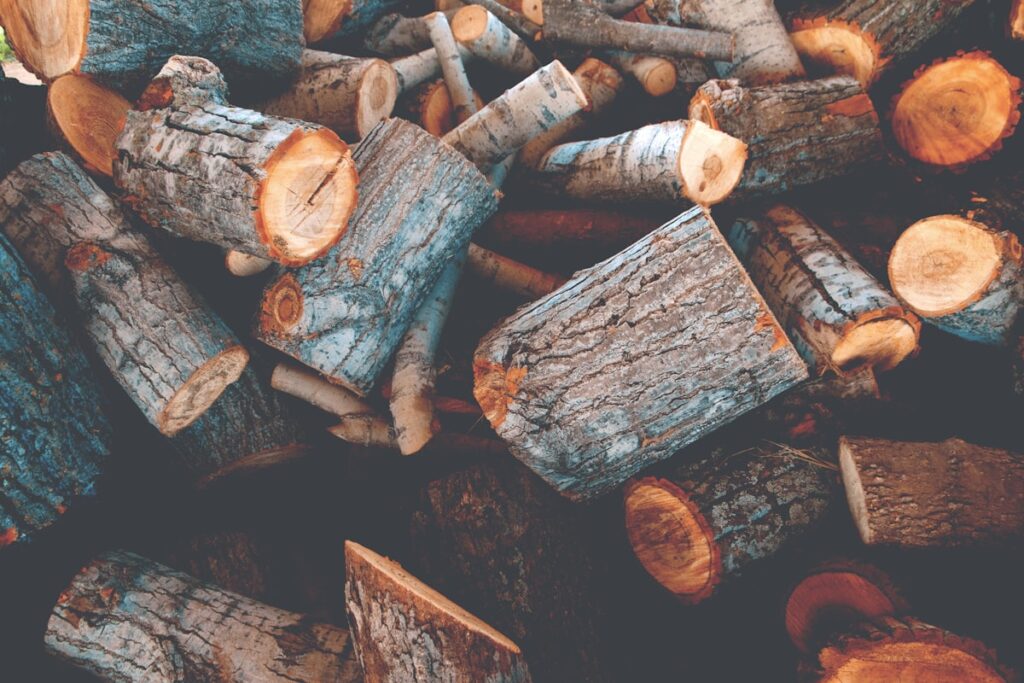
Smoke is a seasoning. The right wood lifts a cook; the wrong one overwhelms it, turning a beautiful brisket harsh and bitter. Yet wood is the part of barbecue beginners think about least and experienced pitmasters obsess over most. This is a practical pairing chart for Singapore home cooks: which woods suit which proteins, how strong each one is, and how to use smoke so it flatters your food rather than fights it. Everything here applies whether you burn chunks and splits in a kamado or offset, or feed pellets into a controller.
How to think about smoke wood
Two ideas guide every choice. First, intensity — woods run from mild and sweet to bold and assertive, and you match that strength to both the protein and the length of the cook. Second, balance — smoke should season, not dominate, so you want just enough that the food tastes of itself plus smoke, never of an ashtray. Hardwoods only; never use softwoods, treated timber, or offcuts of unknown origin, which carry resins and chemicals you do not want in food. Beyond that, the differences between woods are real but forgiving, so do not overthink your first few cooks.
Mild fruit woods — apple and cherry
Fruit woods give a sweet, gentle smoke that will not overpower delicate food. They are ideal for poultry, pork and fish, and they shine on long cooks where heavier smoke would build up and turn bitter. Cherry has a lovely bonus: it deepens the colour of the meat to a rich mahogany, which makes ribs and chicken look as good as they taste. Apple is the friendliest all-purpose mild wood and a safe place for a beginner to start. Because they are forgiving, fruit woods are hard to overdo.
Medium woods — oak, pecan and maple
Oak is the all-rounder and the backbone of Texas-style brisket — clean, balanced, and never harsh even over a ten-hour cook. If you only buy one wood, make it oak. Pecan is nuttier and a touch milder, lovely on pork and poultry. Maple leans sweet and pairs well with pork and poultry too. As a group these medium woods suit beef, pork and game, and they sit in the sweet spot where you get clear smoke flavour without the risk of bitterness. They are the workhorses of most long cooks.
Strong woods — hickory and mesquite
Hickory is the classic bacon-and-ribs wood: bold, bacony and deeply savoury, but it turns bitter if you overuse it, so a little goes a long way on long cooks. It is superb on pork ribs, shoulders and beef when kept in check. Mesquite burns hot and fast with an intense, earthy smoke — it is best for quick, hot cooks like steak and is easy to overdo on low-and-slow. Use mesquite sparingly, or blend a small amount into a milder base. Treat both of these as accents to respect, not defaults to pile on.
A quick pairing chart
- Chicken and turkey: apple, cherry, pecan, maple — mild woods keep poultry clean and sweet.
- Pork ribs and shoulder: apple or cherry for sweetness, hickory or oak for backbone — a blend is excellent.
- Beef brisket and ribs: oak as the base, with a little hickory or mesquite for depth.
- Fish and seafood: apple, cherry, or a light touch of oak — never strong woods.
- Game: oak, pecan or maple to complement without overwhelming.
Reading your smoke
The colour of your smoke tells you more than the type of wood. Aim for thin blue smoke — a faint, almost invisible haze that smells sweet. Thick, billowing white or grey smoke means incomplete combustion, and it deposits the acrid compounds that make food taste bitter and ashy. Thin blue comes from a clean-burning fire with good airflow and properly seasoned (dry) wood, not green or damp wood. If you can smell harshness in the air, your fire is the problem, not the wood you chose.
Blending and rules of thumb
- Match smoke intensity to cook length — milder woods for low-and-slow, bolder woods for short, hot cooks.
- Mix woods for complexity and colour — oak with a little cherry is a reliable, beautiful combination.
- Use less than you think, especially with hickory and mesquite; you can always add more next time.
- Keep wood bone dry. In Singapore’s humidity, store it sealed and off the floor, or it will smoulder and smoke white.
Storing wood in our climate
Humidity is the quiet enemy of good smoke. Damp wood and damp pellets smoulder instead of burning cleanly, producing exactly the thick white smoke you want to avoid. Keep splits and chunks in a dry, ventilated spot, and store pellets in an airtight container indoors rather than leaving them in a hopper between cooks. Dry fuel is half the battle toward clean, sweet smoke.
Plan your cook
Once you have chosen a wood, plan timing and quantity so the day runs smoothly. Our smoking time estimator helps you work backwards from serving time, and the meat portion calculator tells you how much to buy for your crowd. Then stock up on charcoal and wood.
FAQ
What is the best all-purpose smoking wood? Oak. It is clean, balanced and works with almost everything, which is why it anchors so many barbecue traditions.
Can I use too much smoke? Yes — over-smoking makes food bitter and acrid. Aim for thin blue smoke and lean on milder woods for long cooks.
Do I need to soak wood chips? Generally no. Soaked wood produces steam and white smoke before it burns cleanly; dry wood gives better thin-blue smoke.
Which wood for beginners? Apple or oak. Both are forgiving, hard to overdo, and pair with a wide range of proteins.